Westerpark
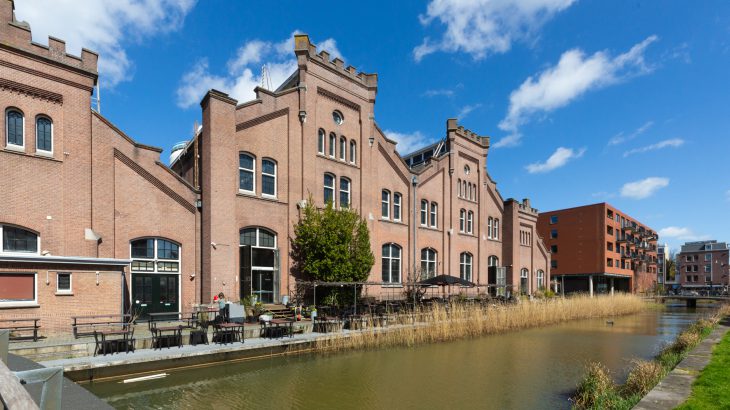
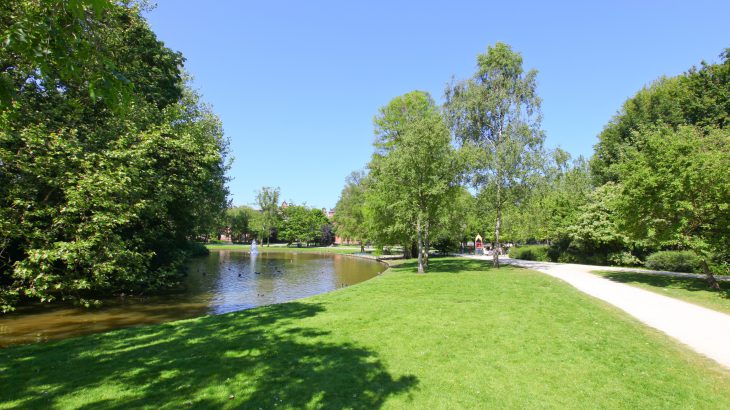
Het Westerpark is een park in Amsterdam West, ten westen van de Haarlemmerpoort en ten noorden van de Haarlemmertrekvaart. Voordien lag hier tot 1878 het station Willemspoort van waar de treinen van Amsterdam naar Haarlem vertrokken.
Westerpark Amsterdam
De Centrale Markt, Frederik Hendrikbuurt, Houthavens, Spaarndammer– en Zeeheldenbuurt en Staatsliedenbuurt vormen samen het stadsdeel Westerpark. De bouw is 19de en vroeg 20ste eeuws en voornamelijk Amsterdamse school. De Westerparkbuurt in Amsterdam telt zo’n 35.000 inwoners. De afgelopen jaren is het Westerpark steeds meer in trek bij de hippe Amsterdammers. Een belangrijke rede hiervoor is het uitponden van huurwoningen door de woningcorporaties. Het opknappen van het Westerpark en het herbestemmen van de Westergasfabriek. De Westergasfabriek exploiteert en programmeert binnen- en buitenruimtes in het Cultuurpark Westergasfabriek. De industriële monumenten en het omliggende cultuurpark van de Westergasfabriek vormen samen een multifunctionele ruimte en het moderne Westerpark van internationale allure. Je vindt er groen, een plek om te werken, ruimte voor kleine maar zeker ook grote evenementen zoals concerten en diverse horeca, film, theater en expositiegelegenheden.
Ontdek de Westerparkbuurt
De Westerparkbuurt, gelegen in het hart van Amsterdam, is een levendige en diverse buurt die rijk is aan geschiedenis, cultuur en moderne voorzieningen. Grenzend aan de beroemde Jordaan en de opkomende Houthavens, biedt deze buurt een unieke mix van oud en nieuw, waardoor het een aantrekkelijke plek is om te wonen en te bezoeken.
Ligging en Buurten
De Westerparkbuurt strekt zich uit van de iconische Spaarndammerstraat tot aan het bruisende Westerpark. Het gebied wordt gekenmerkt door historische grachtenpanden, gezellige straatjes en moderne architectuur. Aan de ene kant wordt het begrensd door de Jordaan, een van de meest pittoreske en charmante wijken van Amsterdam, bekend om zijn smalle straatjes, boetiekjes en cafés. Aan de andere kant bevinden zich de dynamische Houthavens, een voormalig industriegebied dat nu wordt getransformeerd tot een eigentijdse woonwijk met een mix van nieuwbouw en herontwikkelde lofts.
Faciliteiten Westerpark
Pontsteiger: Een opvallend herkenningspunt in de Westerparkbuurt is de Pontsteiger, een modern appartementencomplex aan het water dat bekend staat om zijn indrukwekkende architectuur en panoramisch uitzicht over de stad.
Westerpark: Het gelijknamige Westerpark is het kloppende hart van de buurt, een groen en levendig stadspark waar locals samenkomen om te ontspannen, te sporten en te genieten van culturele evenementen. Het park herbergt ook verschillende restaurants, cafés en culturele instellingen, waaronder de Westergasfabriek, een voormalig industrieel complex dat is omgebouwd tot een bruisend cultureel centrum met theaters, galerijen, restaurants en bars.
Wonen in de Westerparkbuurt
De Westerparkbuurt biedt een diverse mix van huurwoningen en appartementen, variërend van historische panden tot moderne nieuwbouw. Met zijn centrale ligging, goede bereikbaarheid en levendige sfeer is het een gewilde woonbestemming voor zowel jonge professionals als gezinnen. Huurders kunnen genieten van de nabijheid van voorzieningen zoals winkels, restaurants, parken en openbaar vervoer, waardoor het een ideale locatie is om het bruisende stadsleven van Amsterdam te ervaren terwijl ze toch kunnen genieten van rust en groen in de buurt.
Wie wonen er in Westerpark?
In Westerpark wonen veel studenten, singels, stellen, gezinnen en steeds meer expats de afgelopen jaren.
Huis kopen Westerpark
Het kopen van een huis in het Westerpark-gebied in Amsterdam kan een geweldige investering zijn, aangezien het een populaire woonwijk is met veel voorzieningen en een bruisende sfeer. Het kopen van een huis is een belangrijke beslissing, dus neem de tijd om goed onderzoek te doen en advies in te winnen waar nodig.
JLG Real Estate is u graag van dienst.
Populair bij expats
Levendige omgeving
Unieke mix van oud & nieuw
Amsterdam West
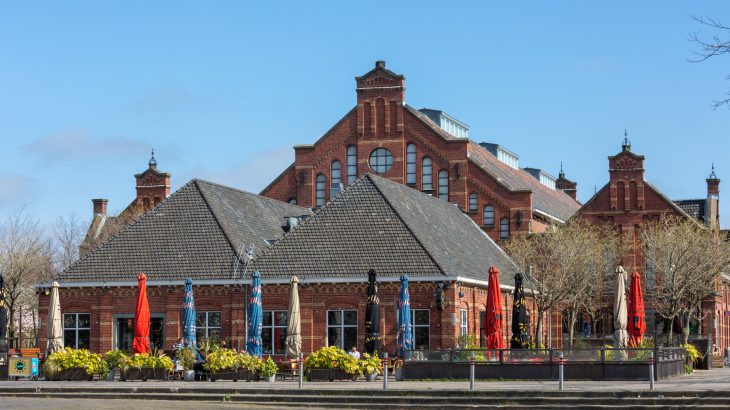
Westergasfabriek
Ten westen van het park lag de in 1883 gebouwde Westergasfabriek. Het aan het park gelegen vroegere hoofdkantoor werd in 1990 stadsdeelkantoor van de aan weerszijden van het park gelegen Spaarndammerbuurt en Staatsliedenbuurt. Naar het park werd het stadsdeel Westerpark genoemd.
Reeds in 1866 was het terrein van de Westergasfabriek aangewezen als parkgebied. Het oude Westerpark grenst aan het cultuurpark en werd aangelegd in een prachtige Engelse landschapsstijl. De paden slingeren zich om kleine bosschages, waardoor de wandeling een verrassend karakter krijgt. Het oude Westerpark past daardoor in de traditie van negentiende eeuwse parkarchitectuur, zoals ook het Vondelpark in Amsterdam Oud Zuid.
Een Levendige Amsterdamse Wijk
Inmiddels is het Westergasfabriek-terrein na een renovatie als parkgebied toegevoegd aan het Westerpark. De historische gebouwen zijn gerenoveerd en worden gebruikt door creatieve en culturele ondernemers. Een deel van de ruimtes wordt verhuurd voor tijdelijke evenementen zoals feesten, festivals, productpresentaties, theater of tentoonstellingen.
Evenementen in Westerpark
De Westerparkbuurt staat bekend om zijn levendige evenementen die het hele jaar door plaatsvinden. Van festivals en markten tot kunsttentoonstellingen en concerten, er is altijd wel iets te beleven in deze bruisende buurt. Enkele van de meest bekende evenementen zijn onder andere:
- Rollende Keukens: Een jaarlijks terugkerend culinair festival waarbij verschillende foodtrucks en kraampjes samenkomen om een breed scala aan gerechten te serveren, variërend van internationale streetfood tot lokale lekkernijen.
- Grachtenfestival: Een muziekfestival dat plaatsvindt op verschillende locaties in en rondom de grachten van Amsterdam, inclusief optredens in het Westerpark en de Westergasfabriek.
- Sunday Market: Een ambachtelijke markt waar lokale producenten en ondernemers hun verse producten, handgemaakte goederen en delicatessen verkopen, waardoor het een populaire bestemming is voor foodies en liefhebbers van ambachtelijke producten.
Woningaanbod in Westerpark
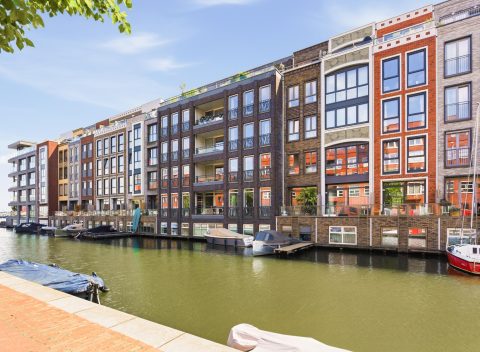
Narva-eiland 209
1014 ZJ, Amsterdam
€ 3.800,- p/m
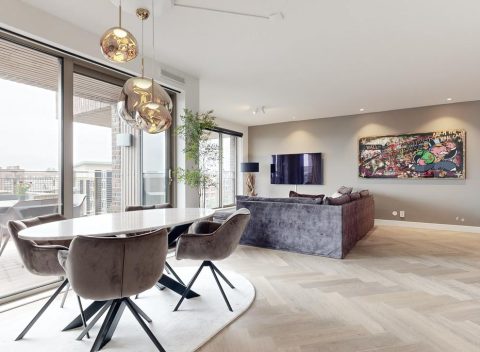
Haparandadam 2B 9
1013 AK, Amsterdam
€ 3.100,- p/m
Makelaar Westerpark Amsterdam
Wilt u uw woning in Westerpark verkopen of verhuren? Of bent u juist op zoek naar een huur- of koopwoning in Westerpark? Stap gerust bij ons kantoor binnen of vraag volledig vrijblijvend een kennismaking aan via onderstaand formulier. We helpen u graag met het vinden van uw woning of van een geschikte koper!
Neem contact met ons op
Vul onderstaand contactformulier in en we nemen zo spoedig mogelijk contact op. Indien u graag zelf contact met ons opneemt bel dan gerust naar +31 20 33 000 31 (Maandag tot Vrijdag 9u-17.30)