Haarlem
Haarlem is een van de oudste steden van Nederland en heeft nog een authentiek monumentaal centrum met een prachtig plein en een prachtige kerk De Sint Bavo. Haarlem is gelegen aan de rivier het Spaarne. Winkelen in Haarlem is een genot met prachtige winkelstraten en leuke horeca gelegenheden.
Haarlem Amsterdam

Haarlem werd voor het eerst genoemd in geschriften uit de 10e eeuw. De oorsprong van de stad gaat echter terug tot de prehistorie, met archeologische vondsten die wijzen op bewoning in de omgeving al in de Romeinse tijd.
In de middeleeuwen groeide Haarlem uit tot een belangrijke handelsstad, gelegen aan de rivier de Spaarne. De stad kreeg stadsrechten in 1245 en ontwikkelde zich tot een bloeiend centrum van handel, ambacht en nijverheid.
Haarlem maakte deel uit van het Hanzeverbond, een samenwerkingsverband van handelssteden in Noord-Europa. Deze periode, die duurde van de late middeleeuwen tot de vroegmoderne tijd, droeg bij aan de welvaart en het economische belang van de stad.
In de 17e eeuw beleefde Haarlem zijn Gouden Eeuw, met een bloeiende economie, kunst en cultuur. De stad stond bekend om zijn textiel- en lakenindustrie, brouwerijen en bloembollenteelt. Beroemde kunstenaars zoals Frans Hals en Jacob van Ruisdael werkten in Haarlem.
Haarlem speelde een belangrijke rol tijdens de Tachtigjarige Oorlog (1568-1648), toen het zich verzette tegen de Spaanse overheersing. De stad werd belegerd door de Spanjaarden en leed onder het beruchte Beleg van Haarlem (1572-1573), waarbij duizenden mensen omkwamen door honger en ziekte voordat de stad zich overgaf.
In de 19e eeuw onderging Haarlem een periode van industrialisatie, met de opkomst van textielfabrieken, machinebouw en chemische industrie. De stad groeide en ontwikkelde zich tot een belangrijk industrieel centrum in Nederland.
Na de Tweede Wereldoorlog onderging Haarlem verdere ontwikkelingen, met grootschalige stadsvernieuwing, uitbreiding van de infrastructuur en groei van de dienstensector. Tegenwoordig is Haarlem een welvarende stad met een rijk historisch erfgoed, een levendige cultuur en een bloeiende economie.
Al met al heeft Haarlem een fascinerende geschiedenis, die wordt weerspiegeld in zijn historische gebouwen, musea en levendige stadssfeer.
Authentieke stad met rijke geschiedenis
Vlakbij Amsterdam
Veel bezienswaardigheden
Wie wonen er in Haarlem?

Haarlem is een diverse stad met een gevarieerde bevolkingssamenstelling. Hieronder volgen enkele groepen die in Haarlem wonen:
- Gezinnen: Haarlem is populair onder gezinnen vanwege de kindvriendelijke omgeving, goede scholen en voorzieningen zoals parken en speeltuinen. Veel gezinnen vinden in Haarlem een ideale plek om te wonen en hun kinderen op te laten groeien.
- Jonge professionals: Door de gunstige ligging ten opzichte van Amsterdam en de goede bereikbaarheid met het openbaar vervoer, trek Haarlem veel jonge professionals aan. Ze waarderen de combinatie van een levendige stadssfeer met de rust en ruimte van een provinciestad.
- Studenten: Haarlem heeft een aantal hogescholen en onderwijsinstellingen, waardoor er ook veel studenten in de stad wonen. Ze kiezen vaak voor Haarlem vanwege de betaalbare huurprijzen, de gezellige sfeer en de nabijheid van Amsterdam en het strand.
- Ouderen: Haarlem heeft ook een groot aantal oudere inwoners, die vaak al langere tijd in de stad wonen. Voor senioren zijn er verschillende voorzieningen beschikbaar, zoals seniorenwoningen, zorginstellingen en activiteitencentra.
- Expats: Hoewel Haarlem minder bekend is onder expats dan Amsterdam, zijn er toch ook expats te vinden in de stad. Ze waarderen de relaxte sfeer, het historische karakter en de goede voorzieningen van Haarlem.
- Kunstenaars en creatievelingen: Haarlem heeft een levendige kunst- en cultuurscene, met veel kunstenaars, ontwerpers en andere creatieve professionals die in de stad wonen en werken. Ze vinden inspiratie in de historische omgeving en de bruisende culturele activiteiten.
Al met al is Haarlem een diverse stad met een mix van mensen uit verschillende leeftijdsgroepen, achtergronden en levensstijlen. Deze diversiteit draagt bij aan de levendigheid en dynamiek van de stad.
Highlights Haarlem
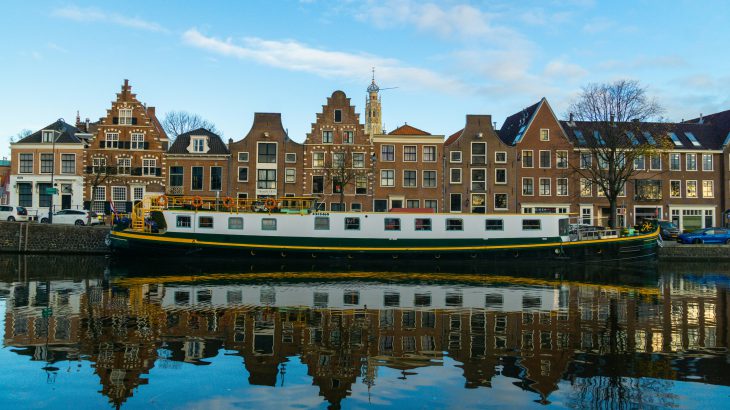
Haarlem is een stad vol met interessante bezienswaardigheden en activiteiten. Hier zijn enkele hoogtepunten die je niet mag missen tijdens een bezoek aan Haarlem:
Makelaar Randstad
Meer weten over de mogelijkheden om te kopen- of te verkopen in de Randstad? Vul onderstaand formulier in en we nemen contact op voor een kennismaking.
Neem contact met ons op
Vul onderstaand contactformulier in en we nemen zo spoedig mogelijk contact op. Indien u graag zelf contact met ons opneemt bel dan gerust naar +31 20 33 000 31 (Maandag tot Vrijdag 9u-17.30)